Long-Term Osseointegration Protocols: Why Material Biocompatibility Dictates Implant Longevity

Sustained implant success depends on precise bone-to-surface integration and biocompatible materials. By utilizing advanced titanium or ceramic foundations, clinicians foster optimal cellular attachment, mitigate soft-tissue inflammation, and prevent structural degradation to support long-term oral stability across the greater Akron region.

Why do some dental restorations last a lifetime while others struggle with stability over time? Achieving true foundation strength requires an intimate understanding of cellular biology and structural engineering. At Marino Dental on Darrow, positioned along the busy Darrow Road corridor between East Akron and Tallmadge near Akron Fulton Airport, our team combines biological science with modern clinical technology. Choosing high-grade materials dictates how natural jawbone cells attach to the implant posts. We analyze biological response factors to ensure that every restoration integrates seamlessly with the existing jaw structure.

Biological Mechanics of Osseointegration and Surface Engineering

To create a stable replacement tooth, jawbone cells must bond directly to the post’s surface through osseointegration, the natural structural connection formed between living bone tissue and a load-bearing implant. When microscopic surface roughness is optimized, osteoblasts attach rapidly to the material, building a dense mineral matrix around the anchor. Using biocompatible zirconia, an advanced non-metallic ceramic that resists plaque accumulation and avoids tissue irritation, offers an exceptional alternative for individuals with thin gum tissue or metal sensitivity. Furthermore, implementing strict peri-implantitis prevention, which encompasses clinical cleaning and precise margin placement to prevent soft-tissue infection around restorations, helps ensure the surrounding bone remains healthy for decades.

Comparative Analysis of Implant Material Interfaces

Material Interface Cellular Attachment Rate Soft Tissue Compatibility Corrosion Resistance Structural Longevity
Micro-Textured Titanium Rapid bone cell adhesion and matrix formation Excellent hemidesmosomal attachment High resistance to oral oxidation Decades of load-bearing strength
High-Purity Ceramic Zirconia Steady osseous integration with zero metal shadow Superior gingival margin adaptation Complete immunity to chemical corrosion Exceptional wear and fatigue resistance
Smooth Machined Metallic Posts Slower cellular migration and fibrous encapsulation Standard soft tissue response Moderate long-term surface alteration Variable stability under heavy chewing

Critical Factors for Lasting Osseointegration Success

Biological compatibility between surrounding jawbone and micro-textured surfaces forms the true foundation for lifelong tooth replacement.

  • Comprehensive anatomical mapping with CBCT 3D volumetric mapping, which produces crystal-clear volumetric scans of bone density, identifies safe placement zones away from vital nerves.
  • Custom abutment selection ensures ideal subgingival margin preparation, keeping restorative edges clean and easy to maintain.
  • Precise bite calibration manages occlusal load distribution, preventing excessive pressure on newly integrated bone structures.
  • Targeted oral health routines protect the mucosal seal around implant necks, lowering inflammatory risks over time.

Common Questions About Dental Implants

How long does it take for a dental implant to fuse with the jawbone completely?

Initial surface bonding begins immediately, while full integration typically unfolds over three to six months. Our team monitors your progress closely through gentle digital checks, ensuring your healing journey feels comfortable and completely on track.

Can a history of gum trouble affect my chances for successful dental implants?

Past gum concerns do not automatically prevent you from receiving implants, provided active tissue health is established first. We thoroughly clean and prepare the surrounding area to ensure a firm, safe foundation before proceeding with your care.

Are ceramic zirconia implants as strong as traditional titanium implants?

Modern ceramic implants offer exceptional structural strength along with natural aesthetic appeal. They resist bending forces effortlessly, making them a fantastic alternative for patients seeking metal-free options without compromising long-term durability.

Schedule Your Dental Implants Consultation in Akron

Investing in a stable, healthy smile starts with understanding your unique bone structure and treatment options. If you live near Goodyear Heights, Tallmadge, or the Ellet community, our dedicated team is eager to help you explore long-lasting solutions. Contact Marino Dental on Darrow today to schedule your comprehensive consultation and begin your journey toward lasting oral strength.

Restoring Functional Stability: Advanced Dental Implants In Stow And Akron

Dental implants at Marino Dental on Darrow provide a permanent, titanium-based solution for missing teeth, restoring both biting strength and facial structure. By integrating directly with the jawbone, these implants prevent the bone loss typical of traditional dentures. Our Stow office uses advanced 3D imaging to ensure precise placement and long-term functional stability.

The Bio-Mechanical Advantage of Titanium

The moment a patient transitions from a removable partial denture to a fixed dental implant, the change isn’t just aesthetic; it is biological. Traditional tooth replacements sit on top of the gums, whereas a dental implant uses a titanium post that serves as a prosthetic root. Through a process called osseointegration, your jawbone actually fuses with the titanium. This creates a foundation that is just as strong as a natural tooth. At our Darrow Road office, Dr. Joseph Marino uses this technology to stop the avoidance cycle of eating difficult foods, allowing you to return to a full, unrestricted diet.

Preventing the “Sunken” Look of Bone Loss

When you lose a tooth, the jawbone in that area no longer receives the mechanical stimulation it needs to stay healthy. Over time, the bone begins to resorb or melt away, which can lead to a “sunken” appearance in the face. We utilize 3D digital imaging to map your bone density before we begin. This precision allows us to place the implant exactly where it will provide the most structural support. By replacing the root, we signal the bone to stay intact, preserving your natural facial contours and preventing the premature aging associated with tooth loss.

 Q: How long do dental implants actually last?

With proper hygiene and regular checkups, dental implants are designed to be a permanent, lifelong solution. Think of it as an investment in your future self—unlike bridges that might need replacing every decade, an implant is built to stay with you. We’ll show you exactly how to care for it during your visits to our Stow office so it stays healthy for years to come.

Q: Is the surgery painful?

Most patients report that the procedure involves less discomfort than a standard tooth extraction, especially when managed with our local anesthetic. We are known for our Gentle Dentistry for a reason. If you’re feeling nervous, we can chat about our sedation options to ensure you feel completely relaxed and comfortable throughout your time in the chair.

Q: Can I replace all my teeth with implants?

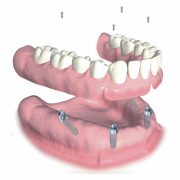
Yes, we offer full-arch dental implants that can replace an entire upper or lower set of teeth using only a few strategic anchor points. This is a great option if you’re tired of dentures slipping while you talk or eat. We can walk you through the “all-in-one” process right here on Darrow Road so you don’t have to drive all over Northeast Ohio to see different specialists.

Experience the stability of a permanent smile. Contact Marino Dental on Darrow today.

6 Common Questions and Answers About Dental Implants

A missing permanent tooth can be a problem! If you’re missing a permanent tooth, you may be a good candidate for dental implants. Your dentist in Akron, OH, is happy to answer questions about dental implants. The more you know about this outstanding artificial tooth option, the easier it is to decide if a dental implant is right for you.

1. What is a dental implant?

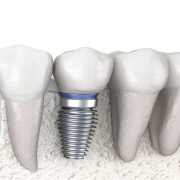
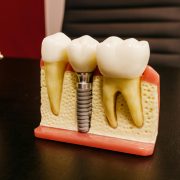
A dental implant is an artificial tooth that consists of three parts: a post in the jaw, an abutment attached to the post, and a dental crown. In some ways, dental implants are very similar to natural teeth. The post in the jaw mimics the structure of a natural tooth, while dental crowns are designed to look so natural that no one will be able to tell you have a dental implant.

2. How are dental implants installed?

Dental implants are surgically installed in three stages: first the post is installed, then the abutment is attached, and finally, the crown is placed on the abutment. Some people who need dental implants also require bone grafting to build up volume in their jaw.

3. How do dental implants compare to dental bridges?

Dental implants are installed in the jaw, whereas dental bridges are attached to the surrounding teeth with a crown.

4. How long do dental implants last?

If properly maintained, a dental implant can last a lifetime. Follow your dentist’s advice to ensure that your dental implant is cleaned and maintained.

5. How are dental implants maintained?

To take care of your dental implant, brush it twice daily with non-abrasive toothpaste. Floss as directed by your dentist. See the dentist every six months for a cleaning.

6. Am I a good candidate for dental implants?

You may be a good candidate for dental implants if you have healthy teeth and a healthy jaw. Your dentist will let you know.

Interested in Dental Implants in Akron, OH? Call Today to Make An Appointment

If you’re interested in dental implants in Akron, OH, contact the dental professionals at Marino Dental on Darrow. Call today to make an appointment.

The Role of Bone Grafting in Dental Implant Success

Dental implants in Akron, OH, are a popular solution for missing teeth! But not everyone is a good candidate for them. At least not initially. A strong jawbone is crucial for implant stability. So, if you are one of those people who have some jawbone loss, but still want dental implants, listen up. There is a solution that would enable you to go ahead and get your dental implants. What’s it called, you might ask? Bone grafting!

Let’s talk about bone grafting, what it is, and how it works.

The Importance of Jawbone Health

Dental implants require a solid foundation. In other words, enough existing jawbone to support them. If you don’t have enough jawbone to support implants, there will be problems. You could experience implant shifting and probably implant failure.

What Is Bone Grafting?

Bone grafting in Akron, OH, is a surgical procedure that rebuilds your jawbone volume and density. Bone will be taken from your body, a donor source, or a synthetic substitute might be used instead. A small amount of that bone will be placed at the point where your bone is lacking. Over several months, the bone or material will fuse with your natural bone.

How Bone Grafting Supports Dental Implants

A bone graft creates a dense and stable structure. Once the bone has integrated and healed, your dentist in Akron, OH, can securely place your new implant(s). Bone grafting greatly improves the long-term success of your implant.

Why You Might Need a Bone Graft

Bone grafting in Akron, OH, is usually recommended for patients who have lost some of their jawbone due to gum disease. It could also be from a tooth extraction or even an injury. And, of course, jawbone loss is a normal part of aging as well. During your exam, the dentist will use advanced imaging to determine if you have enough jawbone to support a dental implant. If not, you’ll need some grafting first.

Looking for a Reputable Dentist in Akron, OH?

Bone grafting can make dental implants possible if you don’t have enough jawbone to support them. So, if you’ve ever been told you don’t have enough bone for implants, don’t worry! We can help! Please Contact Marino Dental on Darrow today. Together, we’ll explore how bone grafting can help restore your smile from the foundation up!

 6 Things to Know About Maintaining Dental Implants

Do you have one or more dental implants? If so, you know it’s important to take care of your implants using best practices. Maintaining dental implants is easy, especially when working with a dentist in Akron, OH.

Maintaining Dental Implants

Below are six things that you can do to maintain your dental implants. At Marino Dental on Darrow, our dental professionals are happy to help you care for your implant. Here’s what you need to know.

1. Brush Dental Implants Twice Daily

Dental implants need to be brushed twice each day, just like your natural teeth. Use non-abrasive toothpaste, as abrasive toothpaste can scratch your implant, causing stains. Not sure which toothpastes are abrasive? Avoid any toothpastes that claim to whiten or brighten your teeth.

2. Floss Your Implant

Even though your dental implant isn’t a natural tooth, you still need to floss it. Follow your dentist’s instructions for flossing your tooth. Ask your dentist to show you how to floss your implant after it’s installed.

3. See the Dentist Twice Annually

See your dentist every six months for a checkup and dental cleaning. This helps maintain your oral health and hygiene, which is important for tooth care.

4. Don’t Chew Ice

Chewing ice is bad for your teeth, and it’s bad for your dental implant. If you have a habit of chewing ice, now is the time to stop.

5. Avoid Tobacco Products

Tobacco products can put you at risk of gum disease, which can lead to the deterioration of your gum and jawbone. Ultimately, using tobacco products can cause your dental implant to fail. Avoid using tobacco products.

6. Watch for Signs of a Problem

Watch for signs that you’re having a problem with your dental health. You might experience gum recession, bleeding gums, or other problems. If you do, talk to your dentist as soon as possible.

Have Questions About Maintaining Dental Implants? Contact Your Dental Provider Today

Maintaining your dental implants is important. To learn more about taking care of your dental implant, contact the dental professionals at Marino Dental on Darrow. We can answer your questions about dental implants in Akron, OH.
Should I Get a Dental Implant or a Bridge?

A missing tooth can leave you feeling self-conscious about your appearance. A missing tooth can also be a problem in other ways, because the remaining teeth might shift in your mouth.

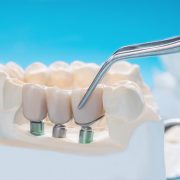
Your dentist in Akron, OH, can help you with prosthetic tooth options to fill the gap. Two of the most popular prosthetic tooth options are dental bridges and dental implants. Choosing between these options can be difficult. Knowing the differences can help you make an informed decision as you choose between a dental bridge and a dental implant.

What to Know About Dental Implants

A dental implant is a type of prosthetic tooth that your dentist installs in the jaw. Dental implants consist of three parts: the implant post, abutment, and dental crown on top. Dental implants look like real teeth, and they function like real teeth, too. Maintaining a dental implant is very similar to maintaining a natural tooth.

Benefits of dental implants include:

  • Preserve the health of the jaw: Having a tooth installed in the jaw stimulates the bone. Without a tooth, the jaw can start to deteriorate.
  • Looks natural: Dental implants look just like real teeth, so having a dental implant can restore the appearance of your teeth.

What to Know About Dental Bridges

A dental bridge is a prosthetic tooth that is attached to the other teeth via crowns. Dental bridges are not installed in the jaw like dental implants. If you’ve lost jaw bone volume or density due to a problem like gum disease, your dentist may recommend a dental bridge.

Benefits of dental bridges include:

  • Help maintain facial shape: Sometimes, a missing tooth can change the shape of your face. Installing a dental bridge can help keep the teeth in their expected place.
  • Makes it easier to chew: A missing tooth can impact everything from chewing to talking. With a dental bridge, these tasks are easy again.

What’s Best For Me?

If you’re interested in dental implants or dental bridges in Akron, OH, we can help. We can evaluate your oral health to determine which option is best for you. Call today to make an appointment.

Am I A Good Candidate for Dental Implants? What to Know 

A missing tooth can cause a lot of problems. Talking can be harder when you’re missing a tooth, and so is chewing food. Some people hesitate to smile when there’s a gap between their teeth. Even your dental health can suffer when you’re missing a tooth!

If you’re missing a tooth, getting it replaced can help preserve your dental health and your smile. Your dentist in Akron OH can help by installing a dental implant. If you’re wondering what dental implants are and whether you’re a good candidate, the professionals at Marino Dental on Darrow can help. In this article, we’ll discuss what you need to know about dental implants to help you decide if you’re a good candidate for this prosthetic tooth option.

What Are Dental Implants?

A dental implant is a prosthetic tooth that’s implanted in the jaw. Implants are surgically inserted into the jaw bone and capped with a crown that looks like a natural tooth. Once the dental implant has fused in place, it will look and perform like a natural tooth.

Who Is a Good Candidate for Dental Implants?

You’re a good candidate for a dental implant if you have healthy teeth and gums, good oral hygiene habits, and a healthy jawbone with sufficient volume to hold the dental implant in place. If your jaw has deteriorated, inserting a dental implant may be more difficult. If this is the case, your dentist may suggest a bone graft before installing the implant.

What Are the Benefits of Dental Implants?

Dental implants have many benefits!

  • Natural look. Dental implants look very natural, just like real teeth. You can feel confident in your smile when you have a dental implant!
  • Stimulate the jaw. When a tooth is missing, the jaw bone can start to deteriorate in the area around the missing tooth. Installing a dental implant can help stimulate the jaw, keeping it healthy.
  • Functions like a natural tooth. Dental implants function like natural teeth, making it easier to talk and chew.

Are you interested in getting a dental implant in Akron, OH? Call your dentist at Marino Dental on Darrow! We can help. Call today.

Pros and Cons of Dental Implants

Dental implants are one of the most effective forms of prosthetic teeth. When installed by a skilled dentist in Akron OH, dental implants are effective and long-lasting. There are many benefits of dental implants. Knowing those benefits can help you decide if dental implants are the right type of artificial tooth for you.

Benefits of Implants

Below are some of the benefits of dental implants.

  • Natural appearance. Dental implants look like natural teeth. Each dental implant is custom-designed for the patient. This means your dental implant will fit perfectly in your mouth and look like it belongs to your other teeth. No one will be able to tell you have a dental implant.
  • Functional. Dental implants are implanted in your jaw – this is where they get their name. The fact that implants are placed this way means that they function just like your other teeth. Implants can aid with chewing and talking.
  • Easy to clean. You won’t need special pastes or cleaning tools to clean your dental implant. You’ll use non-abrasive toothpaste and a soft-bristle toothbrush to clean your implant.
  • Permanent solution. Implants are a permanent solution to replace a missing tooth. Unlike dentures, dental implants will not come out or slip out of place.
  • Restore your smile. A dental implant can restore your smile when missing a permanent tooth.
  • Improve your confidence. Many people feel self-conscious when they have a missing tooth. Getting a dental implant can help you feel good about the way you look once again.

Are there Downsides?

Dental implants can provide an excellent option for someone missing a tooth. Implants do require many visits to the dentist’s office and are installed over several months. If you need a fast solution, a dental bridge may be the right option. Your dentist can tell you more about what to expect.

If you’re considering dental implants in Akron OH, talk to your dentist at Marino Dental on Darrow. We can help you decide whether an implant is right for you.

Can You Get Gum Disease After Getting Dental Implants?

Many people are under the impression that once they get dental implants in Akron, OH, they no longer have to worry about getting gum disease. But that’s not the case. Here’s more information about getting gum disease after getting dental implants.

Can You Get Gum Disease After Getting Dental Implants?

Yes, you absolutely can get gum disease after getting dental implants. And it even has its own name. It’s called peri-implantitis. Isn’t that just lovely! But don’t worry. There are things you can do to avoid getting peri-implantitis in the first place.

What Is Peri-Implantitis?

Peri-implantitis is the name given to gum disease that occurs after you have gotten dental implants. It’s an inflammatory condition affecting the hard and soft gum tissue surrounding your dental implants.

What Happens When You Get Peri-Implantitis?

Unfortunately, if you get peri-implantitis and don’t get it treated, it could cause your implants to fail and fall out. This, of course, is the worst-case scenario.

How to Avoid Peri-Implantitis

But don’t fear! There is a way to help avoid getting peri-implantitis. Prevention is always key. You must practice good oral hygiene. That includes consistent brushing and flossing habits. Visit your dentist in Akron, OH, twice a year. Eat healthy. And stop smoking and/or vaping. These are both huge risk factors for getting peri-implantitis.

Can You Get a Dental Implant If You Have Gum Disease?

No. You need healthy gums to get a dental implant. And gum disease will weaken your gums and dissolve your bone and gum tissue. That means your jawbone might not be strong enough to support a dental implant.

How Is Peri-Implantitis Treated?

If you get peri-implantitis, your dentist will clean the implant surface using curettes and saline. This process starts stabilizing peri-implantitis. The dentist might also recommend a surgical debriding of the implant using curettes. This will be followed by rising with saline along with some postoperative antibiotics. Both are usually necessary to help prevent your peri-implantitis from getting worse.

Are You Looking for a Dentist in Akron, OH?

Getting dental implants is exciting! But the first thing you need to do is find a dentist to help you get them. Please Contact Marino Dental on Darrow today. Dental implants will improve your overall health and quality of life. Don’t delay! We are here for you!

What’s the Difference Between All On 4 Implants and Dentures?

Patients who are missing several teeth may consider all four implants or dentures to restore their smile. Dentures and all four implants can look very much the same, but they function in different ways.

Yourdentist in Akron, OH, can help you decide which one is best. At Marino Dental On Darrow, we can explain the differences between these two types of prosthetic teeth and help you choose the best type for your mouth.

How Do All On Four Implants Work?

All on four implants are prosthetic teeth that can replace entire arches at once. As their name implies, they use implants to stay in place. Four implants are placed in the jaw, and the replacement teeth are then positioned on the implants, which hold the teeth in place.

Because all in four implants are held in place by implants, they’re very secure. All on four implants can’t slip out of place or even fall out the way that dentures can.

However, all on four implants can take a long time to install, and in between that time, the patient lives with temporary dentures that can help them chew and talk until they can get their permanent all on four implants.

How Do Dentures Work?

Dentures are prosthetic teeth worn in the mouth, held in place by the natural ridges that appear on the palate. They should be secure, but they can slip out of place if they’re not a good fit. In addition, they can start to slip more once they’re nearing the end of their service life.

Should I Get All On Four Implants or Dentures?

Whether to get dentures or all on four implants depends on a variety of factors including your budget, how important it is to install secure prosthetic teeth, and more. All on four implants are an excellent product, but they do require you to go back to the dentist for invasive procedures several times.

For some people, gettingall on four implants in Akron, OH, can take up to a year. Dentures can take less time.

Have questions? The professionals at Marino Dental on Darrow can answer them. Call today.